You’ve probably heard someone described as “the cat’s whiskers,” meaning they’re exceptional — a cut above the rest. The phrase has roots in an old belief that cat whiskers bring good luck. But is there any truth behind this curious bit of folklore, or is it simply another charming myth passed down through generations?
Let’s explore the science, the superstition, and the sweet sentiment behind one of the most beloved features of our feline friends.
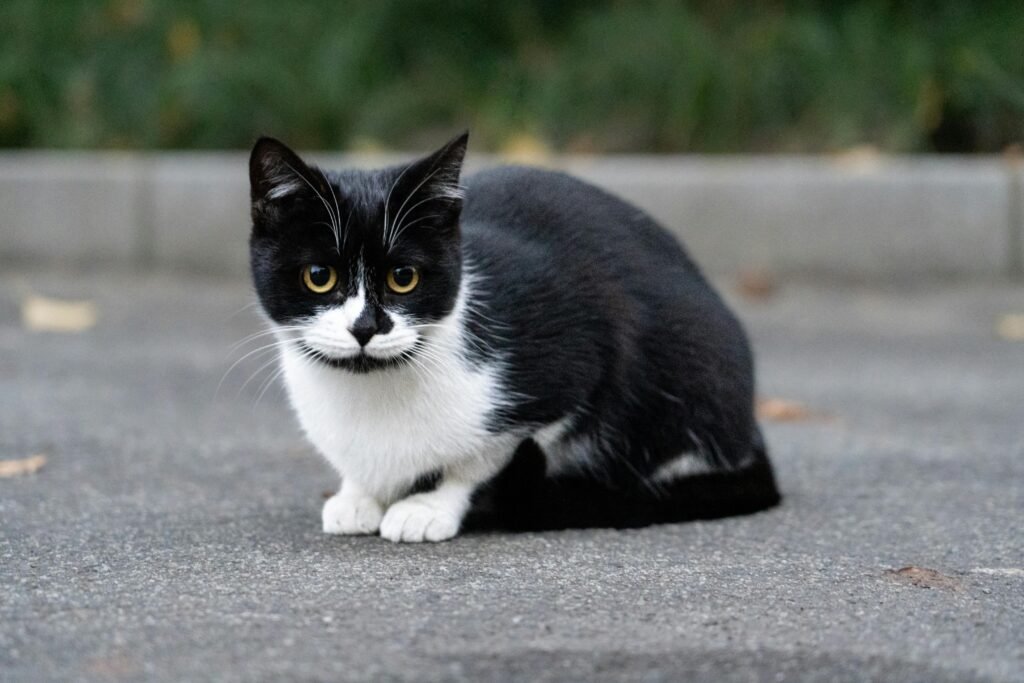
What Do Whiskers Actually Do?
Before we dive into luck and legends, it helps to understand just how extraordinary whiskers — or vibrissae — really are.
1. Built‑in Measuring Tools
A cat’s whiskers are roughly as wide as their body. This helps them judge whether they can fit through tight spaces. Fluffier cats often have longer whiskers simply because their bodies are wider.
2. Environmental Sensors
Whiskers detect subtle changes in air currents, helping cats sense nearby objects, movement, and potential danger — even in complete darkness.
3. Balance and Body Awareness
Whiskers contribute to a cat’s spatial awareness and balance. Even while sleeping, a twitch of the whiskers can alert them to something approaching.
4. Emotional Indicators
Whisker position is part of feline body language. Researchers use tools like the cat grimace scale to assess stress or pain based on facial cues, including whiskers.
In short, whiskers are not decorative. They’re essential survival tools — and perhaps that’s part of why humans have long viewed them as magical.

Where Did the “Lucky Whisker” Belief Come From?
Cats have been symbols of fortune, protection, and mystery across cultures for thousands of years.
Ancient Egypt
Cats were revered, adorned with jewelry, and even mummified. Harming a cat — even accidentally — was considered a grave offense. The goddess Bastet embodied protection, pleasure, and good health, reinforcing the idea that cats brought blessings.
Japan and the Legend of Maneki Neko
The iconic waving cat figurine dates back to a story about a cat saving a nobleman from a lightning strike. Today, Maneki Neko is a global symbol of prosperity.
Medieval Europe
Cats protected grain stores from rodents and were valued in monasteries. Their usefulness made them symbols of good fortune.
Superstitions and Shifts
During the witch trials of the 16th century, cats — especially black ones — became associated with bad luck. Yet in places like the UK, a black cat crossing your path is still considered lucky.
Across cultures and centuries, cats have been seen as mystical, protective, and precious. It’s no surprise that their whiskers became tiny, portable tokens of luck.
Why Are Fallen Whiskers So Rare?
Cats naturally shed whiskers as part of a growth cycle — usually one or two every couple of months. That means the average cat loses only about six whiskers a year.
Between vacuuming, cleaning, and daily life, most whiskers disappear before we ever notice them. So when you do find one, it feels like stumbling upon a four‑leaf clover or a shooting star — rare, delicate, and special.
Many cat parents keep whiskers as sentimental keepsakes, much like baby teeth or a first lock of hair.
When Is Whisker Loss a Concern?
Occasional shedding is normal. But if you notice:
- Multiple whiskers falling out at once
- thinning whiskers
- bald patches
- over‑grooming
…it may signal stress, allergies, infections, parasites, or other medical issues. In rare cases, whisker abnormalities — such as wavy whiskers — have been linked to underlying illnesses, such as feline leukemia virus.
If something seems off, a vet visit is the safest next step.
What Can You Do With Fallen Whiskers?
If you’re reading this, you probably adore cats — so yes, keep them! People use whiskers in all kinds of creative or sentimental ways:
- Crafts: needle‑felting tiny cats, mixed‑media art, shadow boxes
- Nature: leaving whiskers outside for birds to use in nests
- Keepsakes: storing them in a jar, pouch, or locket
- Good‑luck charms: carrying one in a wallet, pocket, or car
Whether or not you believe in luck, whiskers make meaningful mementos.

So… Are Cat Whiskers Really Good Luck?
There’s no scientific evidence that whiskers bring good fortune. Their “luck” comes from cultural stories, personal beliefs, and the deep affection humans have for their cats.
But for many cat lovers, a whisker is more than superstition — it’s a tiny reminder of a beloved companion. And honestly, that kind of sentimental magic is its own form of luck.
What’s Next?
If this post lit a spark in your night, there’s more to come.
- Subscribe to receive gentle updates, moonlit guides, and soulful resources
- Share this post if it resonated
- Please comment below: Do you keep your cat’s whiskers? I’ll respond
Here’s to owning your space. Let your inbox be a place of possibility. Let your evenings bloom with intention.
With warmth,
Laureano S Pires
The Thistlefox Corner

One comment on “Why Cat Whiskers Are Seen as Powerful Good Luck”