A Complete Beginner‑Friendly Guide for New and Future Cat Parents
Becoming a cat owner is one of life’s quiet joys. You’re welcoming a curious, charismatic little soul into your home — a companion who can fill your days with affection, humor, and wonder. In the United States alone, more than 76 million cats share their lives with humans, making them the second‑most popular pets in the world.
But as magical as whiskers and purrs can be, responsible cat ownership takes intention. A great relationship with your future feline starts with understanding what they need from you — not just during the adorable kitten phase, but for their entire life.
This guide walks you through everything you need to know to prepare, care for, and understand your cat so you can give them the long, healthy, happy life they deserve.

Part 1: What to Know Before You Bring a Cat Home
Understanding Cat Care
Cats are often considered “low‑maintenance,” especially compared to dogs. They don’t need long walks, they’re comfortable spending time alone, and they prefer small meals throughout the day. But “low‑maintenance” doesn’t mean “no maintenance.”
Your cat will rely on you for:
- A safe, stimulating home
- Clean litter boxes
- Proper nutrition
- Routine vet visits
- Grooming
- Companionship and emotional care
Cats may be independent, but they still need you — consistently.
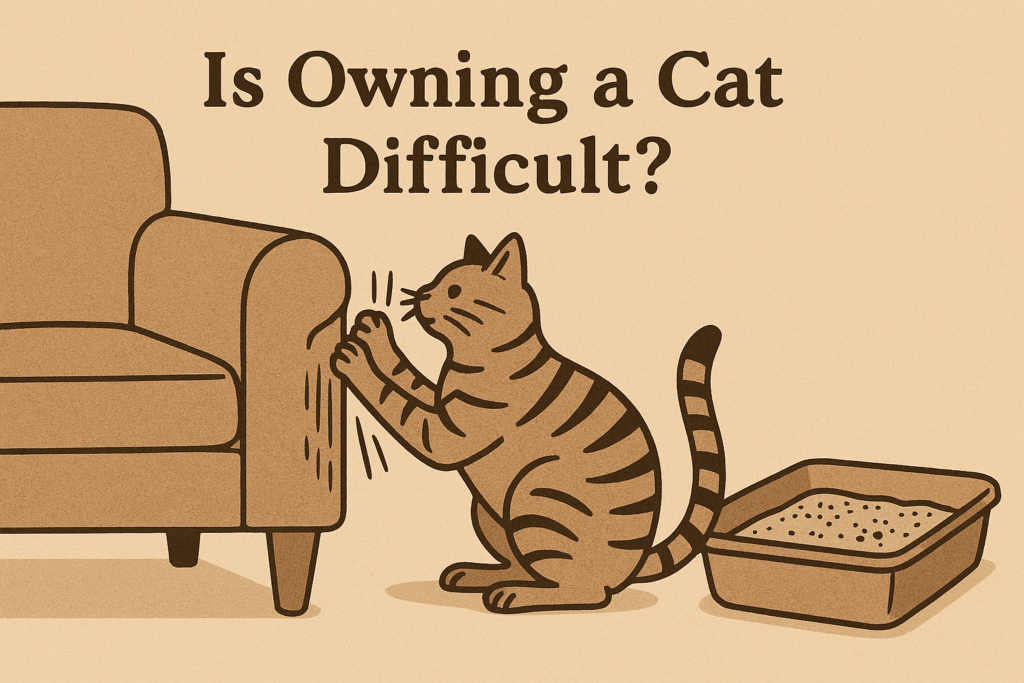
Is Owning a Cat Difficult?
It depends on the cat. Some breeds are easygoing; others require more grooming, more playtime, or more specialized diets. Personalities vary widely too — from lap‑loving snugglers to independent observers.
If a cat’s needs aren’t met, you may see:
- Scratching furniture
- Litter box avoidance
- Excessive meowing
- Biting or overstimulation
Indoor vs. outdoor lifestyle also affects care needs and safety.
Questions to Ask Before Getting a Cat
1. Can You Afford a Cat?
Cats come with ongoing expenses: food, litter, toys, vet visits, emergencies, and more. Exotic breeds often cost more to maintain.
2. Is a Cat Suited to Your Lifestyle?
Consider your schedule, travel habits, grooming capacity, and whether you have young children.
3. Cat or Kitten?
Kittens require training and supervision. Adult cats are often calmer and easier to integrate.
4. Should You Choose a Specific Breed?
Each breed has unique traits, grooming needs, and potential health concerns.
5. Can Cats Live with Dogs or Other Cats?
Yes — with slow introductions, patience, and attention to temperament.
Part 2: Preparing Your Home for a Cat
Kitten‑Proofing and Cat‑Proofing
Before your cat arrives:
- Block off small or dangerous spaces
- Remove fragile items
- Remove toxic plants
- Set up a quiet “starter room”
This helps your cat feel safe and reduces stress during the transition.
Essential Supplies
Litter Trays & Litter
Choose trays based on your cat’s size and comfort. Scoop daily and replace litter regularly.
Bedding
Offer a cozy, washable bed — especially cave‑style beds for shy cats.
Food & Water Bowls
Consider shallow bowls, fountains, or automatic feeders.
Grooming Supplies
Brushes, combs, wipes, shampoo, nail clippers, and optional nail caps.
Scratching Posts & Cat Trees
Scratching is essential for claw health and emotional well‑being.
Toys & Enrichment
Laser pointers, feather wands, toy mice, puzzle toys, and interactive electronics.
Food & Treats
Choose high‑quality food appropriate for your cat’s age and breed.
Bringing Your Cat Home
Start with a single room, schedule a vet visit, and introduce other pets slowly using scent swapping and supervised meetings.

Part 3: Feeding, Grooming, and Keeping Your Cat Healthy
How Much and How Often to Feed
- Follow feeding guidelines on your cat food
- Adjust portions for neutered cats
- Offer small, frequent meals
- Replace wet food twice daily
Treats
Use treats sparingly and avoid human foods. Functional treats can support dental health or reduce hairballs.
Grooming Basics
Brushing
Prevents mats, reduces shedding, and keeps skin healthy.
Bathing
Only necessary occasionally. Use cat‑safe shampoo and follow a gentle process.
Nail Clipping
Trim only the tips. Never declaw. Handle paws regularly to build comfort.
A Quick Health Checklist
Check regularly for:
- Healthy weight
- Clean ears
- Clear eyes
- Moist, clean nose
- Healthy teeth and gums
- Smooth coat and skin
- Strong, smooth claws
- Normal digestion
- Easy breathing
- Adequate hydration
- Normal behavior and energy
Any sudden change warrants a vet visit.
Part 4: Understanding Cat Behavior and Attitude
Cats communicate through body language, sound, and subtle cues. Learning these signals helps you build trust and avoid misunderstandings.
Common Behaviors
Greetings
- Tail up = friendly hello
- Rubbing = affection and scent marking
- Headbutts = deep trust
Petting Preferences
A cat showing its belly is showing trust — not necessarily asking for belly rubs.
Biting
Often play or overstimulation. Avoid using hands as toys.
Eye Language
- Dilated pupils = excitement or fear
- Slow blink = love and trust
Ear Signals
Flattened ears indicate fear or irritation.
Tail Language
- Tail up = confidence
- Bushy tail = fear
- Twitching tail = excitement
Vocalizations
- Purring = contentment
- Chirping = hunting instinct
- Short meow = greeting
- Long meow = request
- Growling/hissing = fear or anger
Understanding Your Cat
Handle your cat regularly, play often, and learn their unique signals:
- Gentle nibbles = “I’m done playing”
- Growling = “I need space”
- Running away = “You approached too fast”
- Lack of cuddles ≠ lack of love
Litter Box Behavior
If your cat avoids the litter box, rule out medical issues first. Then consider:
- Stress
- Behavioral habits
- Box cleanliness
- Box size or height
- Location
- Number of boxes
- Litter type
Patience and consistency are key.
Part 5: Protecting Your Cat’s Health
Common Non‑Medical Litter Box Causes
- Stress or separation anxiety
- Behavioral issues
- Strong odors
- Poor location
- Not enough boxes
- Wrong litter type
Experiment and adjust until your cat feels comfortable.
Keeping Your Cat Healthy
Vet Visits
Regular checkups catch issues early and keep vaccinations up to date.
Watch for Symptoms
Sneezing, coughing, panting, excessive meowing, or sudden behavior changes require attention.
Avoid Dangers
Be mindful of toxic plants, unsafe foods, cleaning products, and outdoor risks.
Neutering & Parasite Prevention
Neutering reduces roaming and behavioral issues. Keep up with flea, tick, and worm treatments.
Emotional Health
Play, enrichment, and affection are essential for happiness.
Microchipping
Even indoor cats can slip outside unexpectedly.
Grooming
Brushing, nail trimming, and dental care support long‑term health.
Breed‑Specific Needs
Some breeds have unique health risks:
- Persians: breathing issues
- Maine Coons: joint and heart concerns
- Sphynx: skin care needs
- Bengals: high energy and enrichment needs
Your vet can guide you through breed‑specific care.
Emergency Situations
Seek immediate help if your cat:
- Has trouble breathing
- Collapses
- Cannot urinate
- Vomits repeatedly
- Shows extreme lethargy
- Suffers trauma
Emergency vets are available outside normal hours.

Should You Get Pet Insurance?
Insurance helps cover expensive treatments and emergencies. Consider:
- Breed‑specific risks
- Your ability to cover large vet bills
- Your cat’s lifestyle (indoor vs. outdoor)
Compare providers carefully and choose coverage that fits your needs.
Download the short version of the guide for easy, confident use. Click below to download and keep it handy whenever you need it.
Conclusion: Enjoying Life With Your Cat
Caring for a cat is a deeply personal experience — no two journeys look the same. With the guidance in this complete guide, you’re equipped to give your feline friend a safe, healthy, joyful life.
Now comes the best part:
enjoying the years of companionship, personality, and love your cat will bring into your home.
What’s Next?
If this post lit a spark in your night, there’s more to come.
- Subscribe to receive gentle updates, moonlit guides, and soulful resources
- Share this post if it resonated
- Please comment below: Does this guide help you? I’ll respond
Here’s to owning your space. Let your inbox be a place of possibility. Let your evenings bloom with intention.
With warmth,
Laureano S Pires
The Thistlefox Corner

Thank you for the guide.