The Oldest Story We Keep Telling
From the moment humans learned to sharpen stone, they also learned to sharpen ambition. Civilizations rose with songs of glory and fell under the weight of their own conquests. And through every age, one truth has remained unchanged: the achievement humans desire most is military power.
Nations measure strength not by compassion, but by the scale of their armies. Politics, no matter how refined, carries destruction in its shadow. When the animal called human gains power, they begin to imagine themselves as masters of the planet — forgetting how small they are against the vastness of the world, how fleeting a single life is compared to the slow turning of the earth.
And yet, despite this fragility, humans continue to fight.
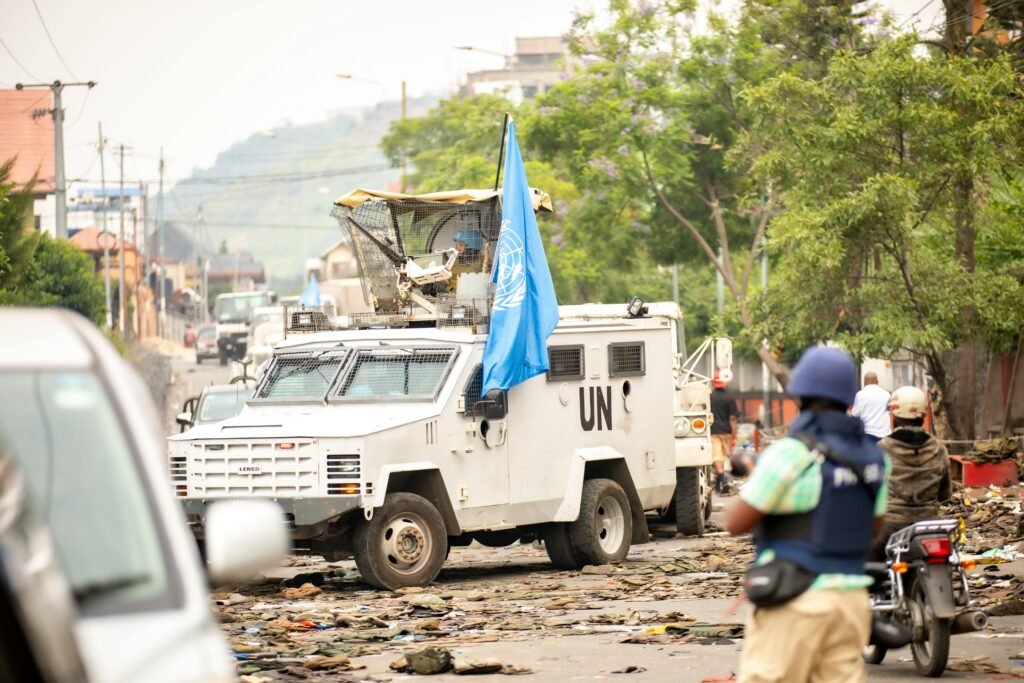
The Ritual of Destruction
People change technologies, borders, and ideologies, but what people think rarely changes. Wars continue to take countless lives. Humans never forget the grief, but they never stop fighting either. Streams of blood and tears become ornaments in the ritual of destruction, repeated generation after generation. Every era has a chapter that only war can speak.
And in every war, one truth is consistent:
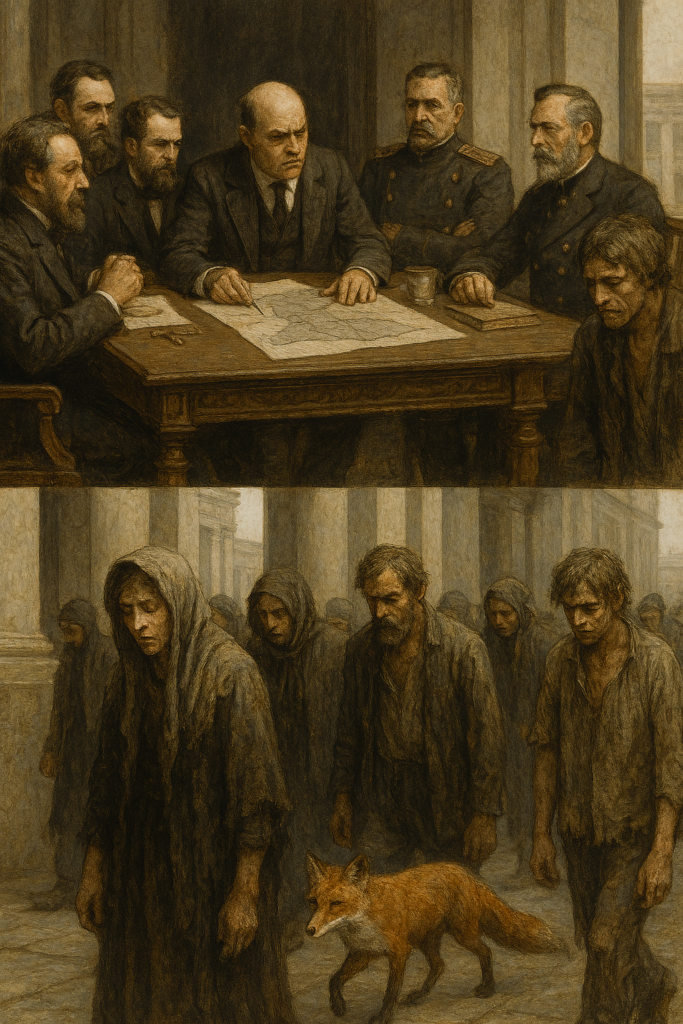
civilians — the innocent, the unarmed, the victims — are the greatest casualties, yet they are never at the negotiation table.
They pay the highest price for decisions they never made.
“Fight for peace” is a phrase humanity has chanted for centuries. It is noble, hopeful, and, at the same time, painfully ironic. Humans long for peace, yet gird for war. They search for love, yet harbor hate. They cry out for harmony, then fill arenas of violence to capacity. The contradiction is not a flaw in the system — it is the system.
We are unlikely to wipe out evil entirely. But if we think more clearly and act more strategically, we can reduce the amount of killing. Shakespeare wrote that “a man can die but once,” yet a person may feel themselves being killed many times over through loss, trauma, and memory. Erasmus warned that “war is delightful to those who have had no experience of it,” while Martin Luther called war “the greatest plague that can affect humanity; it destroys religion, it destroys states, it destroys families.”
Those who have seen war rarely praise it. Those who have not often romanticize it.
What Does It Take to End a War?
The answer is rarely emotional. Warfare is, at its core, a negotiation between states — a brutal form of diplomacy conducted when all other methods fail or are abandoned. Wars do not require hatred to begin. They ignite over territory, resources, ideology, religion, pride, or interests that leaders refuse to relinquish.
When those objectives are met, wars end.
Or they end when the human cost outweighs the gains.
Anger and hatred are tools, nothing more — instruments used to tilt the battlefield in one direction or another. They are not the cause of war; they are the fuel poured on top of it.
And so the paradox remains: humans dream of peace, yet prepare for conflict. They mourn the dead, yet march toward the next battlefield. They condemn violence, yet are drawn to its spectacle.
To understand humanity is to understand this contradiction.
The Question That Never Leaves Us
Every generation inherits the same question:
What does it take to end a war?
Some say victory.
Some say compromise.
Some say exhaustion.
But perhaps the real answer lies in something quieter — the moment when humans finally recognize that the cost of destruction is borne not by generals or rulers, but by the civilians who never chose the fight. The ones who lose homes, families, futures. The ones who never sit at the negotiation table, yet carry the heaviest burden.
War may be woven into the long story of humanity, but so is the desire to rise above it. If clarity, strategy, and compassion ever outweigh the instinct to destroy, then perhaps peace will be more than a chant. It will be a choice.
What’s Next?
If this post lit a spark in your night, there’s more to come.
- Subscribe to receive gentle updates, moonlit guides, and soulful resources
- Share this post if it resonated
- Please comment below: In your opinion, what does it take to end wars? I’ll respond
Here’s to owning your space. Let your inbox be a place of possibility. Let your evenings bloom with intention.
With warmth,
Laureano S Pires
The Thistlefox Corner