Sharing a bedroom with a sibling is a childhood experience many families know well — and one that often comes with strong opinions. I grew up sharing a room with my older brother, and with a five‑and‑a‑half‑year age gap between us, the experience was… intense. We were at completely different developmental stages, and he made sure I knew when my interests didn’t align with his. Arguments were common, and privacy was limited.
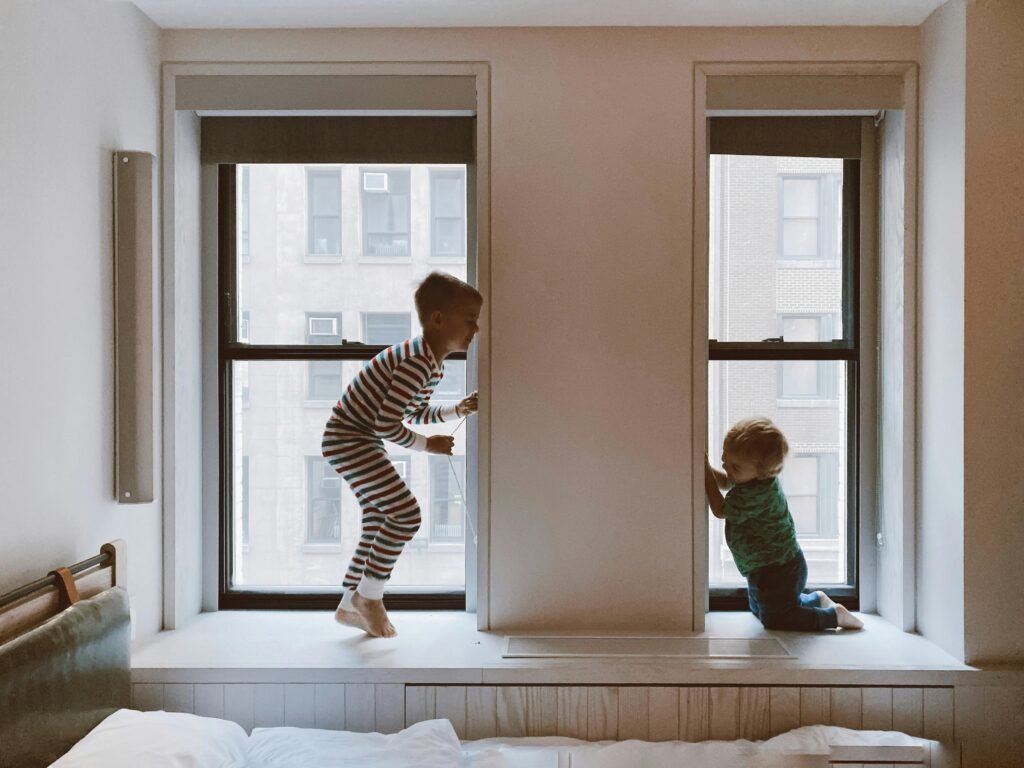
When our family eventually moved into a three‑bedroom house, I finally had my own room at thirteen. Suddenly, I had space to organize my belongings, decorate my walls, and enjoy a sense of independence — as long as my parents approved.
But here’s something many parents don’t realize:
A “successful” family isn’t defined by how many bedrooms they have.
And sharing a room is not a failure or a disadvantage.
In fact, research shows that room‑sharing can support emotional development, strengthen sibling bonds, and teach lifelong skills that private rooms don’t always offer.
Why Parents Believe Kids Need Their Own Rooms
Many parents internalize the belief that each child should have their own space. But this idea is cultural, not developmental.
In Western countries, the expectation of separate bedrooms is shaped by:
- Middle‑class norms around privacy and independence
- Post‑WWII housing trends
- Parenting advice that equates space with emotional well‑being
- Social comparison — especially through social media
This creates a quiet pressure:
“If my child doesn’t have their own room, am I failing?”
But globally, room‑sharing is normal — and healthy. There’s no evidence that children need private bedrooms to thrive.

The Benefits of Sharing a Room With a Sibling
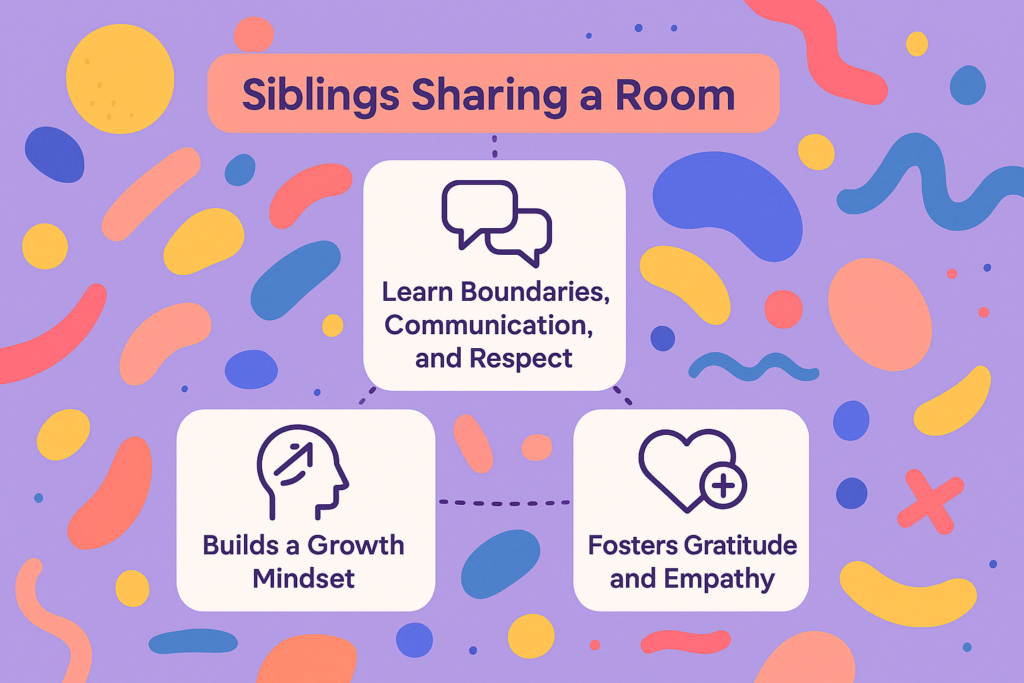
1. Kids Learn Boundaries, Communication, and Respect
Sharing a room means sharing routines, belongings, and personal space. Conflicts are inevitable — but they’re also developmentally useful.
Room‑sharing helps children learn:
- How to negotiate
- How to express their needs
- How to respect someone else’s boundaries
- How to repair small conflicts
These skills form the foundation for healthy friendships and future romantic relationships.
Tips to Make Room‑Sharing Smoother
- Create a daily quiet time so each child can decompress.
- Clarify which toys are “family toys” and which belong to a specific child.
- Assign each child specific cleaning responsibilities.
2. Room‑Sharing Builds a Growth Mindset
Children who share a room often develop:
- Responsibility
- Cooperation
- Flexibility
- Problem‑solving skills
When things don’t go perfectly — and they won’t — kids learn to adapt. They learn to compromise. They learn that challenges can be worked through rather than avoided.
These are core components of a growth mindset.
3. Sharing a Room Fosters Gratitude and Empathy
Sharing a room gives children:
- A built‑in companion
- Someone to talk to at night
- Someone to share joys and frustrations with
This daily closeness can strengthen emotional bonds and reduce loneliness. Research also suggests that shared spaces can support the development of empathy, helping children better understand and respond to others’ feelings.
These benefits don’t show up on a floor plan — but they matter deeply.
The Bottom Line: Kids Don’t Need Their Own Rooms to Thrive
While it’s tempting to measure “successful” parenting by the number of bedrooms, the truth is simpler:
Children thrive in environments of emotional safety, consistency, and connection — not square footage.
Room‑sharing isn’t a setback. It’s an opportunity for growth, resilience, and relationship‑building that lasts long after childhood ends.
What’s Next?
If this post lit a spark in your night, there’s more to come.
- Subscribe to receive gentle updates, moonlit guides, and soulful resources
- Share this post if it resonated
- Please comment below: Did you have a sibling? Did you have to share a room with your sibling? I’ll respond
Here’s to owning your space. Let your inbox be a place of possibility. Let your evenings bloom with intention.
With warmth,
Laureano Pires
The Thistlefox Corner
